
In a manufacturing business, turning a customer’s inquiry into a finished product sitting on their loading dock requires a tightly coordinated workflow. Missing a step between commercial agreements and shop-floor execution leads to delayed shipments, bloated inventory, or costly rework.
Here is how a modern manufacturing execution flow moves seamlessly from Sales Order to Job Order to Delivery Order.
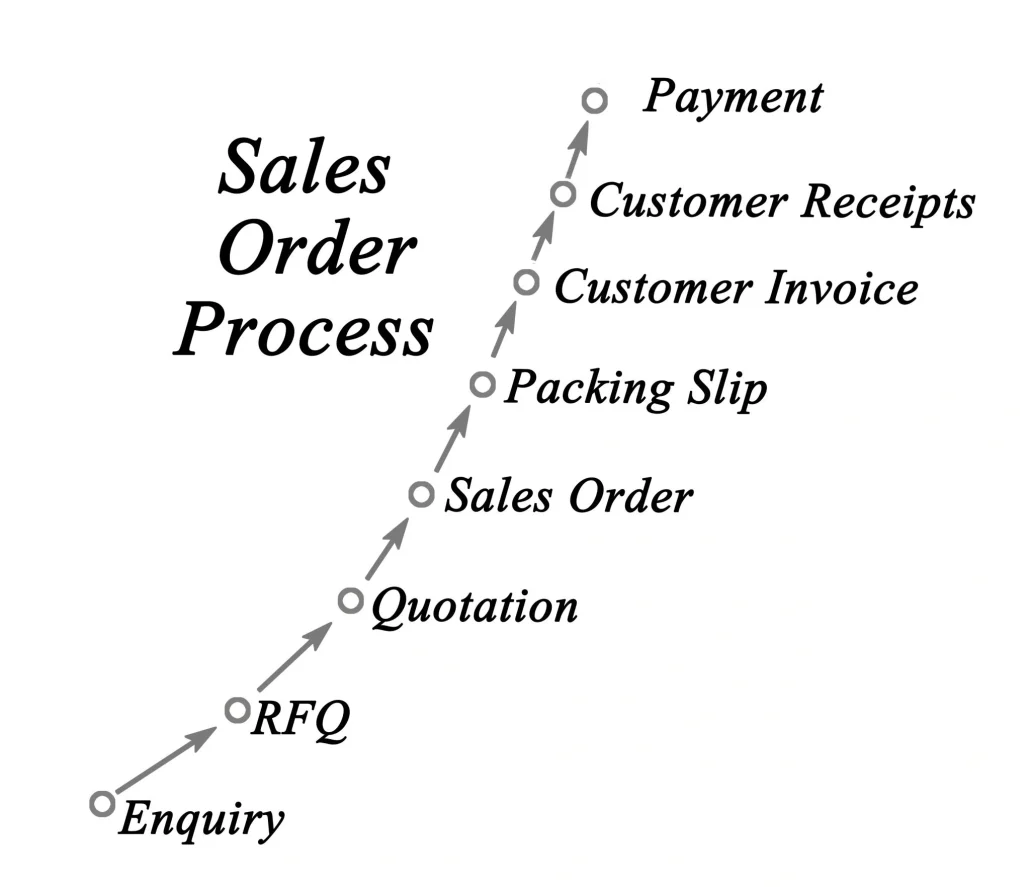
1. The Sales Order (SO): Capturing Demand
The process begins when a client accepts your quotation and issues a Purchase Order (PO). Your sales or operational team translates this into an internal Sales Order (SO).
- Primary Function: Acts as the official commercial agreement between the buyer and manufacturer.
- Key Components: Customer details, requested delivery date, item specifications, quantities, unit pricing, and payment terms.
- System Action: Triggers an initial inventory check. If finished goods are available in safety stock, the system routes directly to fulfillment. If items must be built, the SO initiates the production planning engine.
2. The Job Order (JO): Execution on the Shop Floor
Once the Sales Order is approved, the system converts the demand into actionable work via a Job Order (often referred to as a Work Order or Production Order).
- Primary Function: Serves as the blueprint for the factory floor, instructing operators on what to make, how to make it, and when it must be completed.
- Key Components: Bill of Materials (BOM) detailing raw components, routing steps (machining, assembly, quality inspection), machine assignments, and labor estimates.
- System Action: Reserves necessary raw materials from warehouse inventory, generates material requisitions, and schedules shop floor capacity. Workers log time, scrap, and progress against the JO as parts move through workstations.
3. The Delivery Order (DO): Fulfillment and Handoff
After the product successfully passes quality assurance (QA) on the shop floor, it is transferred to the warehouse for packing and dispatch alongside a Delivery Order (DO) or Packing Slip.
- Primary Function: Serves as legal proof of dispatch and transport, authorizing logistics to move the goods and requiring a customer signature upon receipt.
- Key Components: Ship-to address, carrier information, batch/serial numbers, package weight/dimensions, and verified item counts (excluding pricing details).
- System Action: Depletes finished goods inventory upon dispatch, closes the associated Sales Order line items, and notifies the finance department to issue the final invoice.
Document Flow Summary
| Document Stage | Primary Owner | Target Audience | Core Objective |
| Sales Order (SO) | Sales / Operations | Customer & Finance | Commercial agreement & demand signal |
| Job Order (JO) | Production / Planning | Shop Floor Supervisors | Physical manufacturing execution |
| Delivery Order (DO) | Logistics / Warehouse | Shipping Carrier & Receiver | Transportation & proof of delivery |
Connecting these three documents within a unified Enterprise Resource Planning (ERP) or Manufacturing Execution System (MES) eliminates manual data re-entry, reduces order lead times, and ensures complete traceability across the entire supply chain.